
Learning to See Beyond Stereotypes
Education is about more than completing assignments or preparing for an exam. It also gives young people the knowledge and confidence to better understand themselves, relate thoughtfully to others, and participate meaningfully in their communities.
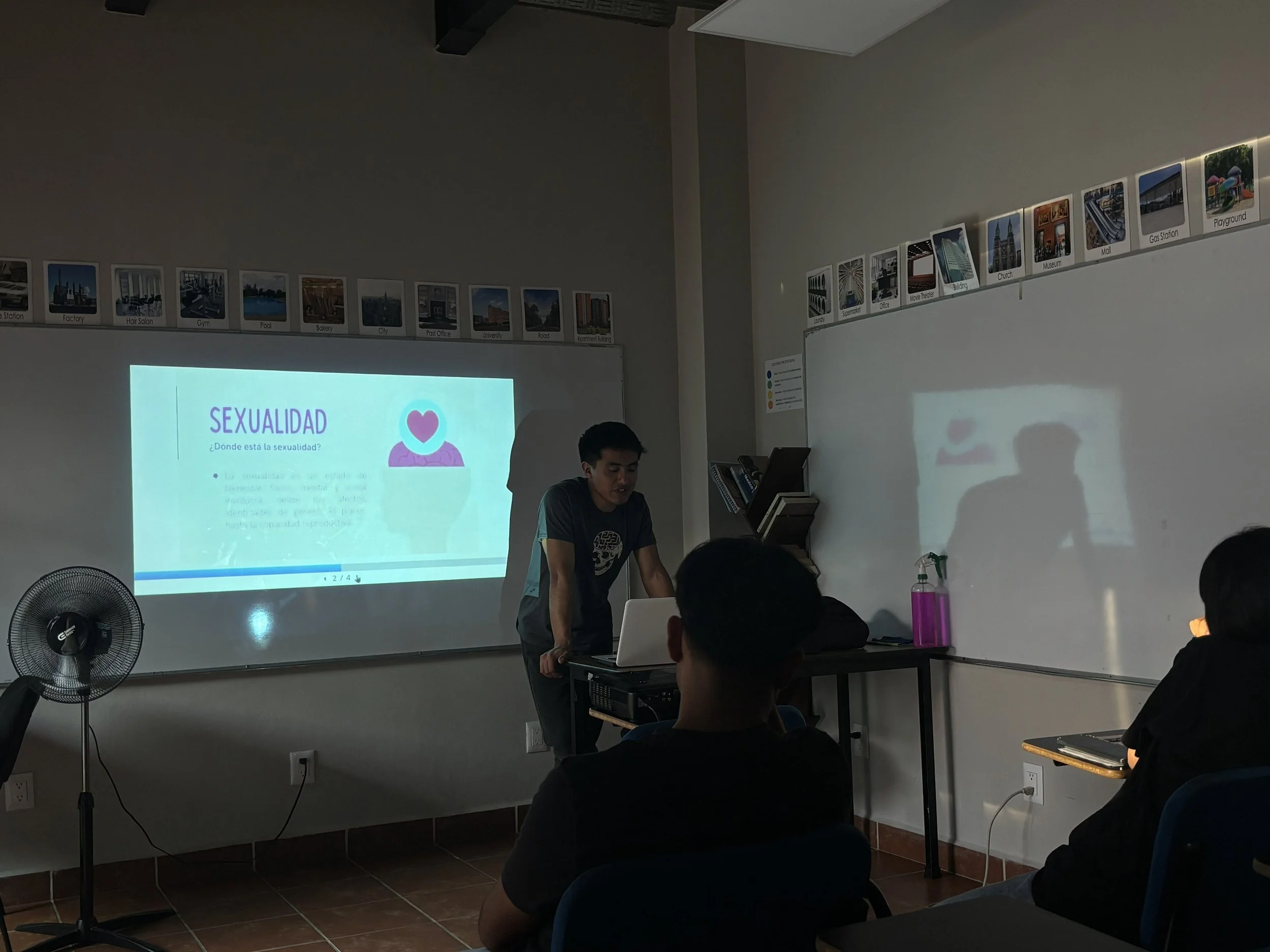
In May, students at The Oaxaca Learning Center participated in a workshop on sexual diversity and non-discrimination. Through interactive activities, group discussion, and personal reflection, students explored how stereotypes are created—and how those stereotypes can lead to prejudice and discrimination.
From assumptions to real-world consequences
The workshop began by asking students to consider the assumptions society often makes about people.
Students discussed stereotypes associated with women and men, including expectations about appearance, clothing, behavior, employment, and family or social roles. They considered examples such as people being judged by the way they dress or being treated differently in the workplace because of assumptions about how they look.
These conversations helped students distinguish among three connected ideas:
Stereotypes: generalized assumptions about a person or group
Prejudice: attitudes or judgments formed from those assumptions
Discrimination: actions that treat people unfairly because of those judgments
By connecting these concepts to familiar situations, students were able to see how seemingly simple assumptions can affect a person’s opportunities, relationships, confidence, and sense of belonging.
Building understanding through participation
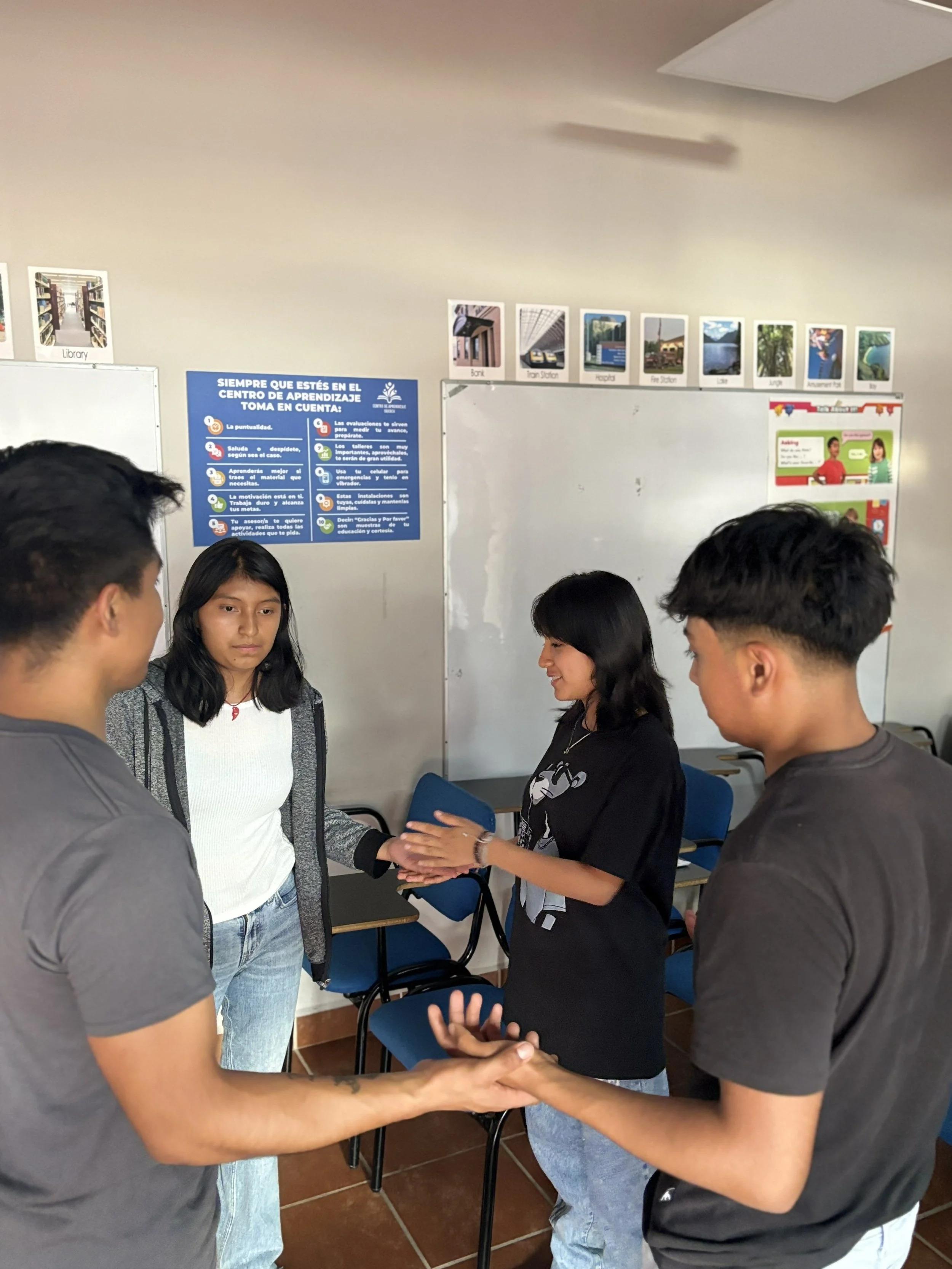
Rather than relying only on a lecture, the workshop invited students to participate actively.
Through a group game, students shared examples of stereotypes about women and men and discussed concepts related to sex, gender, sexual orientation, and identity. They also completed a questionnaire that encouraged them to think about how stereotypes affect employment, personal expression, and the way people are viewed by others.
The conversation placed these topics within the broader experience of adolescence. Students explored how identity, sexuality, beliefs, values, attitudes, relationships, and social roles may develop and be expressed during early, middle, and late adolescence.
Creating space for thoughtful, age-appropriate conversations helps students replace misinformation and assumptions with knowledge, empathy, and respect.
Encouraging students to question what they have learned
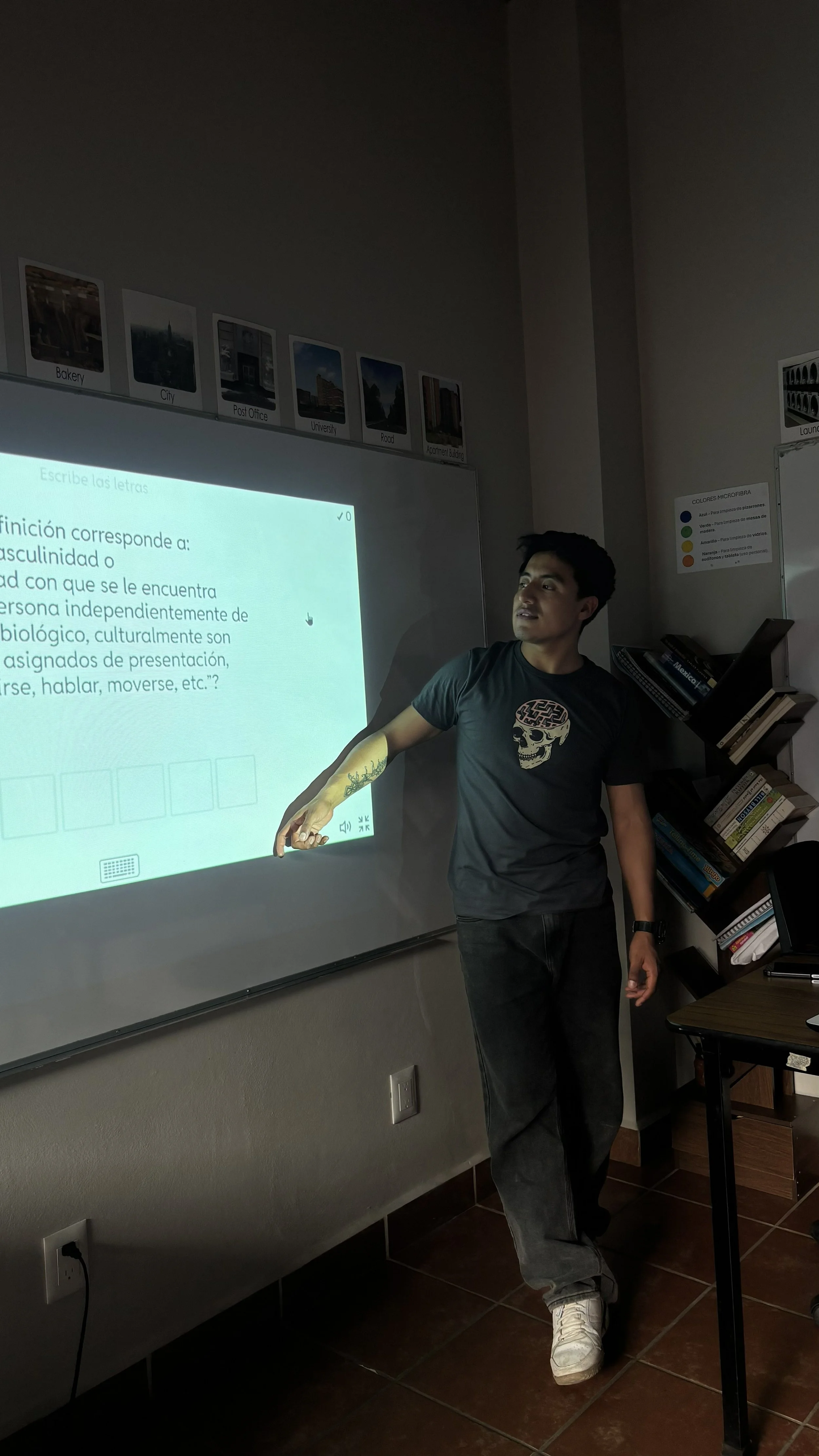
An important part of the workshop involved looking at where stereotypes come from.
Students discussed how ideas about gender and identity can be passed down through families, communities, religion, media, and past generations. They were encouraged to consider which beliefs they may have accepted without questioning—and whether those beliefs reflect the way they want to treat other people.
The goal was not simply to identify stereotypes. It was to help students imagine alternatives.
How can we pause before making assumptions about someone? How can we listen to experiences different from our own? How can we make schools, workplaces, families, and communities safer and more respectful?
These questions allowed students to connect the workshop’s ideas to choices they can make in their own lives.
Supporting the whole student
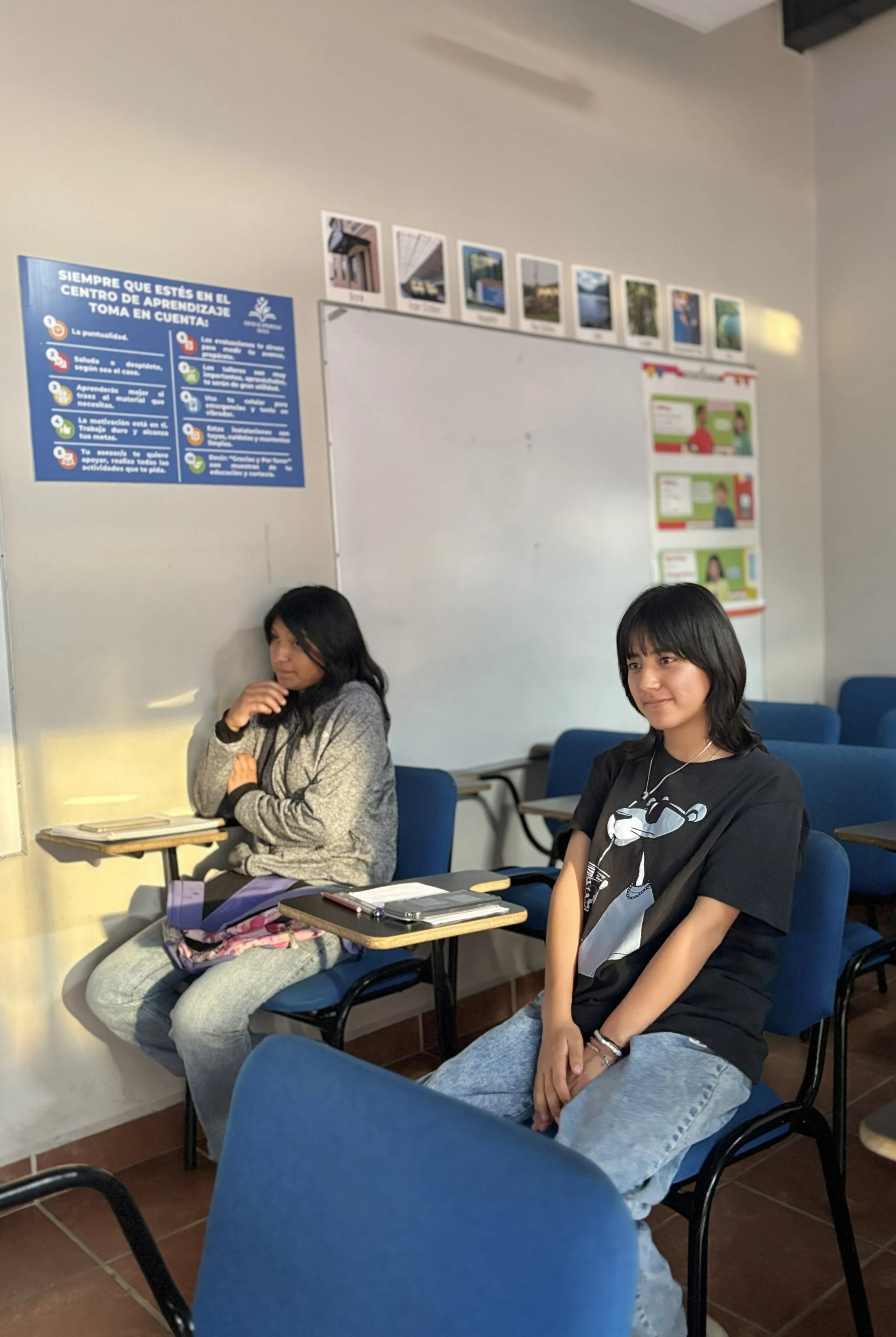
The Oaxaca Learning Center helps young people continue their education and prepare for their futures. That includes academic advising, scholarships, language learning, technology access, and other practical support.
It also includes opportunities like this workshop, which help students develop empathy, critical thinking, self-awareness, and confidence.
When young people learn to recognize prejudice and challenge discrimination, they are better prepared not only to pursue their own goals, but also to contribute to communities where more people are treated with dignity.
That is an important part of what education can make possible.
